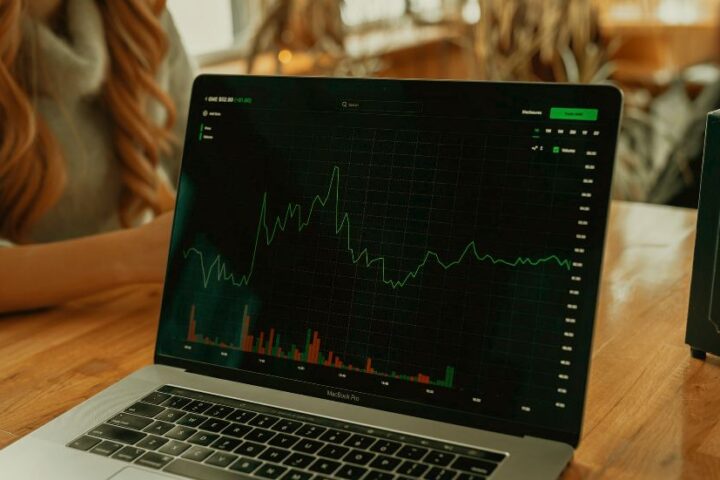
Understanding how global markets affect Indian stocks explains why your portfolio can move on a day with no major domestic news at all – Indian markets are deeply connected to global capital flows, and overnight moves elsewhere routinely set the tone for the next trading day in Mumbai.
Key Takeaways
- US market closes (S&P 500, Nasdaq, Dow) are the single biggest overnight influence on how Indian markets open the next day.
- Foreign Portfolio Investor (FPI) flows respond to global interest rate changes – higher US rates often pull capital away from emerging markets like India.
- Crude oil price moves affect India disproportionately since the country imports the vast majority of its oil needs.
- Asian markets (Nikkei, Hang Seng) trade in a closer time zone to India, often providing an earlier read than US markets.
- A stronger US dollar index generally pressures the rupee and, by extension, foreign investment sentiment toward Indian equities.
The US Market Connection
India’s markets open several hours before US markets close for the day, but the previous night’s US session sets the tone. A sharp overnight selloff in the S&P 500 or Nasdaq typically translates into a weaker opening for Sensex and Nifty the next morning, as global risk sentiment shifts. This connection exists because large global funds allocate capital across markets based on overall risk appetite, not India in isolation.
Foreign Portfolio Investment (FPI) Flows
| Global Condition | Typical Effect on FPI Flows to India |
|---|---|
| Rising US interest rates | Capital often shifts toward US assets offering better risk-adjusted returns, pulling FPI money out of emerging markets |
| Falling US interest rates | Emerging markets like India can become relatively more attractive, encouraging inflows |
| Global risk-off sentiment (crisis, uncertainty) | Investors often pull back from emerging markets toward perceived safe havens |
| Strong global growth outlook | Can encourage inflows into growth-oriented emerging markets like India |
Why Crude Oil Prices Matter So Much for India
India imports a large majority of its crude oil requirements, meaning rising oil prices directly increase the country’s import bill, pressure the rupee, and add to inflation – all factors that weigh on broader market sentiment. Falling oil prices generally work in the opposite direction, easing these pressures. This is why oil price movements get outsized attention in Indian market commentary compared to markets in oil-exporting nations.
Asian Markets: An Earlier Signal
Because Japan (Nikkei) and Hong Kong (Hang Seng) trade in time zones closer to India’s, their movements during the Indian pre-market and early trading session can offer an earlier read on regional sentiment than waiting for the US market’s overnight close. A sharp move in Asian markets during India’s morning session is often watched closely for confirmation of the broader risk sentiment already signaled by the US close.
The US Dollar Index and the Rupee
A strengthening US Dollar Index (DXY) generally reflects capital flowing toward dollar-denominated assets, which tends to weaken other currencies, including the rupee, in relative terms. A weaker rupee can make imports more expensive and affect companies with significant foreign-currency debt or import costs, feeding into broader market sentiment beyond just currency traders.
Quick Reference: Global Signals and Their Typical Market Read
| Signal | Generally Read As |
|---|---|
| US Fed rate hike | Headwind for emerging market equities, including India |
| Falling crude oil prices | Tailwind for India (lower import costs, less inflation pressure) |
| Strong Nikkei/Hang Seng session | Early positive regional sentiment signal |
| Rising US Dollar Index | Generally a headwind for the rupee and FPI sentiment |
Frequently Asked Questions
Why do Indian markets often open lower after a weak US session?
Global funds respond to overall risk sentiment, and a weak US close often signals broader caution that carries over into how Indian markets open the next day.
How do rising interest rates in the US affect Indian stocks?
Higher US rates can make US assets relatively more attractive, sometimes pulling foreign investment away from emerging markets like India.
Why does crude oil price matter so much for Indian markets?
India imports most of its oil needs, so rising prices increase import costs and inflation pressure, weighing on broader market sentiment.
What are FPI flows?
Foreign Portfolio Investment – money that overseas institutions invest in Indian markets, closely watched because of the size and influence of this capital.
Does a weaker rupee always hurt the stock market?
Not universally – it can hurt import-dependent sectors while benefiting export-oriented companies, so the overall market effect depends on which sectors dominate sentiment at the time.
Which Asian market is most closely watched for early India market cues?
Japan’s Nikkei and Hong Kong’s Hang Seng are commonly referenced given their closer time zone overlap with India’s trading session.
Reading Global Cues as Context, Not a Verdict
Global market signals set the backdrop, but domestic factors – company earnings, RBI policy, and sector-specific news – still drive the actual trading day. Treating global cues as useful context rather than a guaranteed forecast keeps expectations realistic.
See also our guide to reading market news, the Market News section, or the Trade Day homepage.
This article is for informational and educational purposes only and does not constitute financial, investment, or trading advice. Trading in securities, currencies, derivatives, and cryptocurrencies carries a high level of risk. Trade Day is not a registered investment advisor and has no affiliation with any broker, exchange, or platform mentioned unless explicitly stated. Do your own research and consult a licensed financial advisor before making financial decisions.