Finding the best forex card in India for an upcoming trip means comparing more than just the headline exchange rate. Fees, currency loading options, and how easily you can reload the card while traveling all affect the real cost of using one.
What Is a Forex Card?
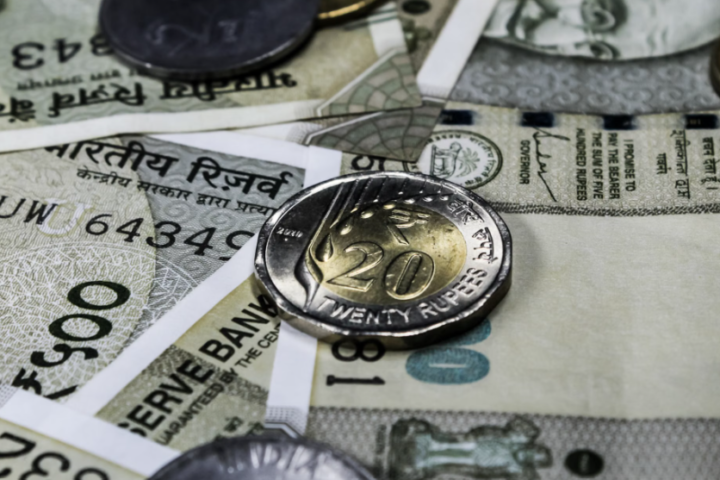
A forex card is a prepaid card loaded with one or more foreign currencies at a locked-in exchange rate, letting travelers spend abroad without the currency fluctuation risk of using a regular debit or credit card, which often carries additional foreign transaction markups.
Key Factors to Compare
Look at the card issuance fee, the exchange rate markup at the time of loading, ATM withdrawal charges abroad, and any inactivity or reload fees. Multi-currency cards that let you load several currencies onto one card are useful for trips spanning multiple countries, avoiding the need for separate cards per currency.
| Factor | What to Check |
|---|---|
| Exchange rate markup | Compare against the interbank rate, not just the advertised rate |
| Issuance and reload fees | Some providers waive fees above a minimum loading amount |
| ATM withdrawal charges | Can add up significantly on longer trips |
| Currency options | Multi-currency cards suit multi-country itineraries |
| App and support | Ability to check balance, reload, and freeze the card remotely |
Forex Card vs Credit Card Abroad
Credit cards typically charge a foreign currency markup on every transaction and may also charge cash advance fees for ATM withdrawals abroad. A forex card locks in the rate at loading time, which can protect against currency depreciation during the trip, though it also means you don’t benefit if the currency moves favorably afterward.
Tips Before You Travel
Load slightly more than your estimated budget to avoid reload hassles while abroad, keep a small backup on a credit card for emergencies, and always inform your bank or provider of your travel dates to avoid the card being flagged for unusual activity.
See also our forex card vs debit card comparison, our forex card charges explainer, our guide to the best forex trading apps in India, or the Trade Day homepage.
Frequently Asked Questions
Is a forex card better than a credit card for international travel?
A forex card generally avoids the foreign transaction markups credit cards charge and locks in an exchange rate at loading time, making costs more predictable, though a credit card can still be useful as a backup or for online bookings.
Can I reload a forex card while traveling abroad?
Most forex card providers allow reloading through a mobile app or online portal even while traveling, though processing times and fees for reloading vary by provider.
What happens to unused currency on a forex card?
Unused balance can typically be reloaded for a future trip or converted back, though a conversion fee may apply and it is usually more cost-effective to load close to your actual expected spending.
Are multi-currency forex cards worth it?
Multi-currency cards are useful for trips covering multiple countries since they let you hold and spend several currencies on one card without needing separate cards for each destination.
Disclaimer: This article is for informational and educational purposes only and does not constitute financial, investment, or trading advice. Trading and investing in stocks, options, forex, and cryptocurrencies carry risk, including the risk of loss of capital. Please consult a registered financial advisor and conduct your own research before making any investment decisions.