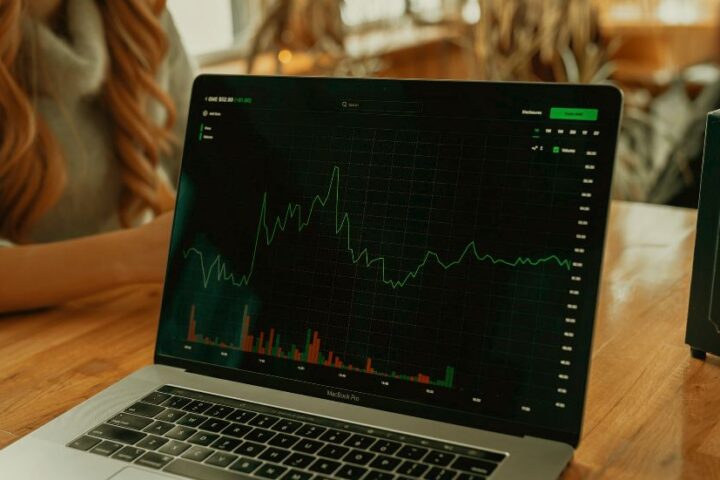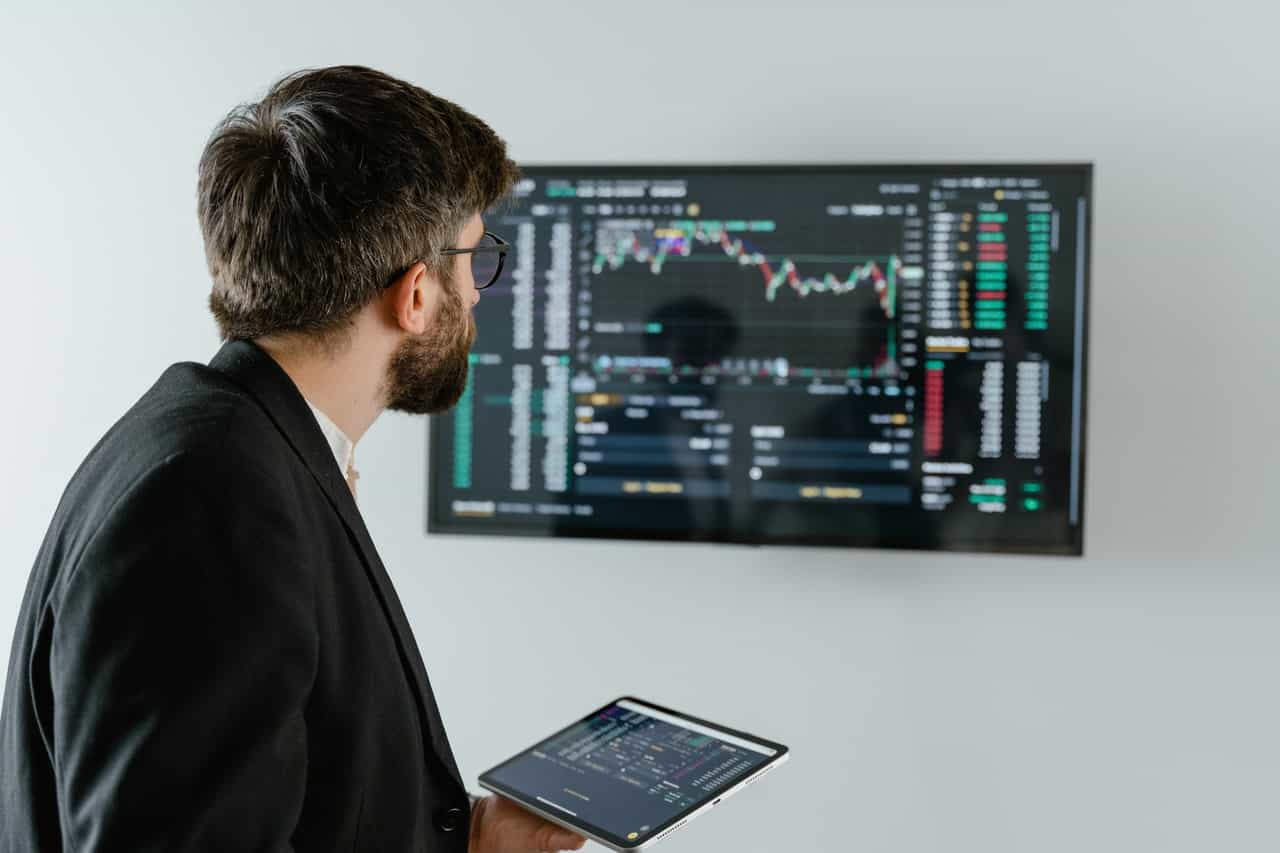
A forex demo account lets you place simulated trades using virtual funds under real or near-real market conditions, offering a practical way to learn platform mechanics and test strategies before committing real capital.
Key Takeaways
- Demo accounts use virtual money to simulate live forex trading conditions without financial risk.
- They’re useful for learning platform navigation, order types, and testing strategy logic before trading live.
- Demo trading doesn’t fully replicate the psychological pressure of trading with real capital.
- Most reputable forex platforms offer demo accounts alongside their live trading offerings.
- Setting specific practice goals on a demo account tends to be more useful than trading without a clear plan.
What to Practice on a Forex Demo Account
| Skill Area | What to Focus On |
|---|---|
| Platform Navigation | Getting comfortable placing, modifying, and closing orders |
| Order Types | Practicing market, limit, and stop orders in realistic conditions |
| Risk Management | Setting and adjusting stop-losses and position sizes |
| Strategy Testing | Running a specific, defined strategy across multiple simulated trades |
Limitations of Demo Trading
While demo accounts replicate market mechanics well, they can’t fully capture the emotional and psychological experience of trading with real money at risk. Some traders find they behave quite differently on a demo account compared to live trading, since the absence of real financial consequences can lead to different, sometimes riskier, decision-making patterns.
Making the Most of a Demo Account
- Treat demo trades with the same discipline you’d apply to real trades, including using proper position sizing and stop-losses.
- Test a specific strategy over a meaningful number of trades rather than trading randomly.
- Use the demo period to become fully comfortable with your chosen platform before switching to live trading.
- Be aware that transitioning to live trading may feel different psychologically, even after demo success.
Frequently Asked Questions
Is a forex demo account a good way to learn before trading live?
Yes, it’s useful for learning platform mechanics, order types, and testing strategies without financial risk.
Does success on a demo account guarantee success in live trading?
Not necessarily – the psychological pressure of trading with real capital often affects decision-making in ways demo trading doesn’t replicate.
How long should I practice on a demo account before going live?
This varies by individual, but testing a strategy across a meaningful number of trades and market conditions is generally more useful than a brief trial.
Do demo accounts use real market prices?
Reputable platforms generally use real or near-real market data for demo accounts to make the practice experience as realistic as possible.
Should I treat my demo account trades seriously?
Yes, applying the same discipline and risk management rules you’d use with real capital makes demo practice more valuable.
Can I switch between demo and live accounts on the same platform?
Most platforms that offer both allow you to switch between demo and live modes, though this depends on the specific broker.
Using Demo Trading as a Genuine Preparation Step
Forex demo accounts offer real value for building platform familiarity and testing strategies, provided you stay realistic about the psychological gap between simulated and live trading.
See also our guide to forex market hours, our guide to understanding currency pairs, or the Trade Day homepage.
This article is for informational and educational purposes only and does not constitute financial, investment, or trading advice. Trading in securities, currencies, derivatives, and cryptocurrencies carries a high level of risk. Trade Day is not a registered investment advisor and has no affiliation with any broker, exchange, or platform mentioned unless explicitly stated. Do your own research and consult a licensed financial advisor before making financial decisions.